


Understand large-scale river discharge, even in regions with limited in-situ observations.
Aqunia Water là giải pháp cho phép ước tính và giám sát lưu lượng dòng chảy sông ngòi ở quy mô lưu vực bằng cách tích hợp dữ liệu vệ tinh, mô phỏng thủy văn và các dữ liệu quan trắc mặt đất hạn chế. Giải pháp này hỗ trợ công tác quy hoạch trong các lĩnh vực thủy điện, nông nghiệp và công nghiệp, cũng như quản lý tài nguyên nước trong bối cảnh biến đổi khí hậu.
Climate change is amplifying the “imbalance” in water resources.
Khi biến đổi khí hậu tiếp diễn, chu trình thủy văn toàn cầu đang trải qua sự biến đổi nhanh chóng. Một bầu khí quyển ấm hơn có thể giữ nhiều hơi ẩm hơn, dẫn đến sự gia tăng nghịch lý của cả hiện tượng mưa lớn/lũ lụt cực đoan và hạn hán. Mặc dù xu hướng lượng mưa hàng năm có sự khác nhau tùy theo từng khu vực, nhưng sự phân bố không đồng đều cả về thời gian và không gian của nguồn nước đang gia tăng trên toàn thế giới, khiến tình trạng "quá nhiều" và "quá ít" nước diễn ra đồng thời.
In particular, in basins dependent on glaciers and snowpack, accelerated melting is significantly altering seasonal river discharge patterns.
Hydropower.
Sự biến động của lưu lượng sông dẫn đến sự bất ổn định trực tiếp trong việc phát điện. Do đó, việc hiểu và dự báo sự biến động của dòng chảy theo mùa và theo từng năm là điều cần thiết để lập quy hoạch cung cấp điện đáng tin cậy.
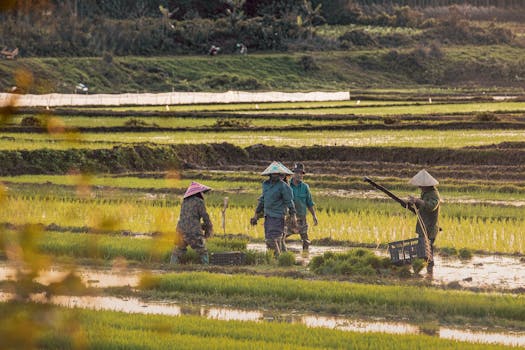
Nông nghiệp & Tưới tiêu
Kế hoạch gieo trồng và lịch trình tưới tiêu phụ thuộc vào lượng nước sẵn có. Nếu không có các dự báo về dòng chảy và mực nước, rất khó để chuẩn bị sẵn sàng cho các rủi ro hạn hán và thiệt hại do lũ lụt.
Công nghiệp & Cơ sở hạ tầng đô thị
Các ngành phụ thuộc vào nguồn nước — bao gồm các quy trình sản xuất, hệ thống làm mát và cung cấp nước uống — phải đánh giá định lượng trước các rủi ro về tính biến động của tài nguyên nước.
To address these challenges, continuous monitoring of water resources across entire river basins is essential. However, in many developing and emerging countries, in-situ observation networks are limited, and sufficient data is not available. Aqunia Water directly addresses this issue.
Basin-scale river discharge estimation through integration of satellites, models, and in-situ data
Ngay cả ở những khu vực có số lượng trạm quan trắc mặt đất hạn chế, lưu lượng sông trong quy mô lưu vực vẫn có thể được ước tính và giám sát bằng cách kết hợp ba nguồn dữ liệu sau:
Dữ liệu vệ tinh
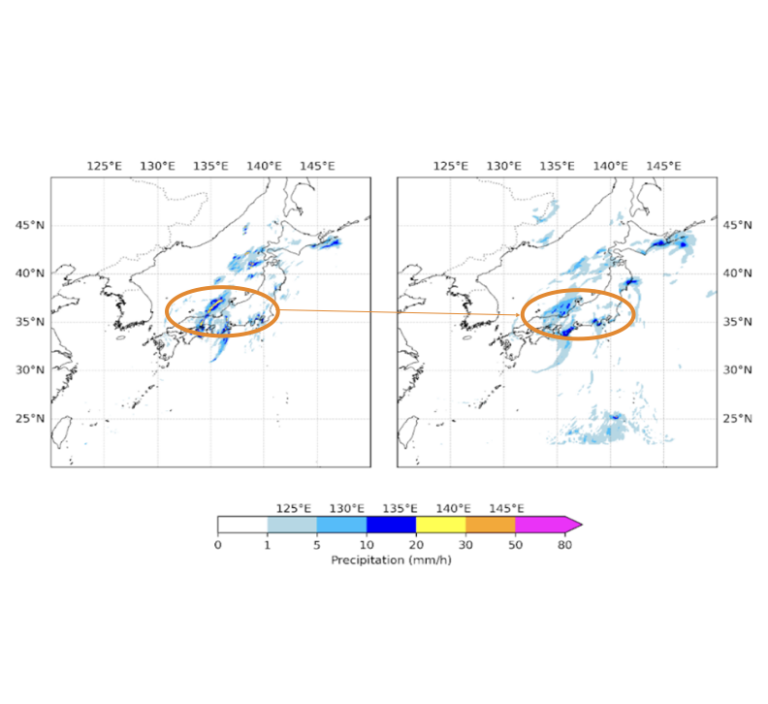
Utilizes satellite precipitation data (e.g., GSMaP) and satellite altimetry (e.g., SWOT, DAHITI) to estimate water level and volume changes in basins where direct observation is difficult.
Mô hình mô phỏng thủy văn
Áp dụng mô phỏng sông quy mô lớn dựa trên mô hình CaMa-Flood / ILS do Đại học Tokyo phát triển, kết hợp các yếu tố địa hình lưu vực, mục đích sử dụng đất và mô hình lượng mưa.
Limited In-situ Observation Data
Các dữ liệu quan trắc lưu lượng và mực nước hiện có được sử dụng để tích hợp và hiệu chỉnh, nhằm nâng cao độ chính xác của mô phỏng.
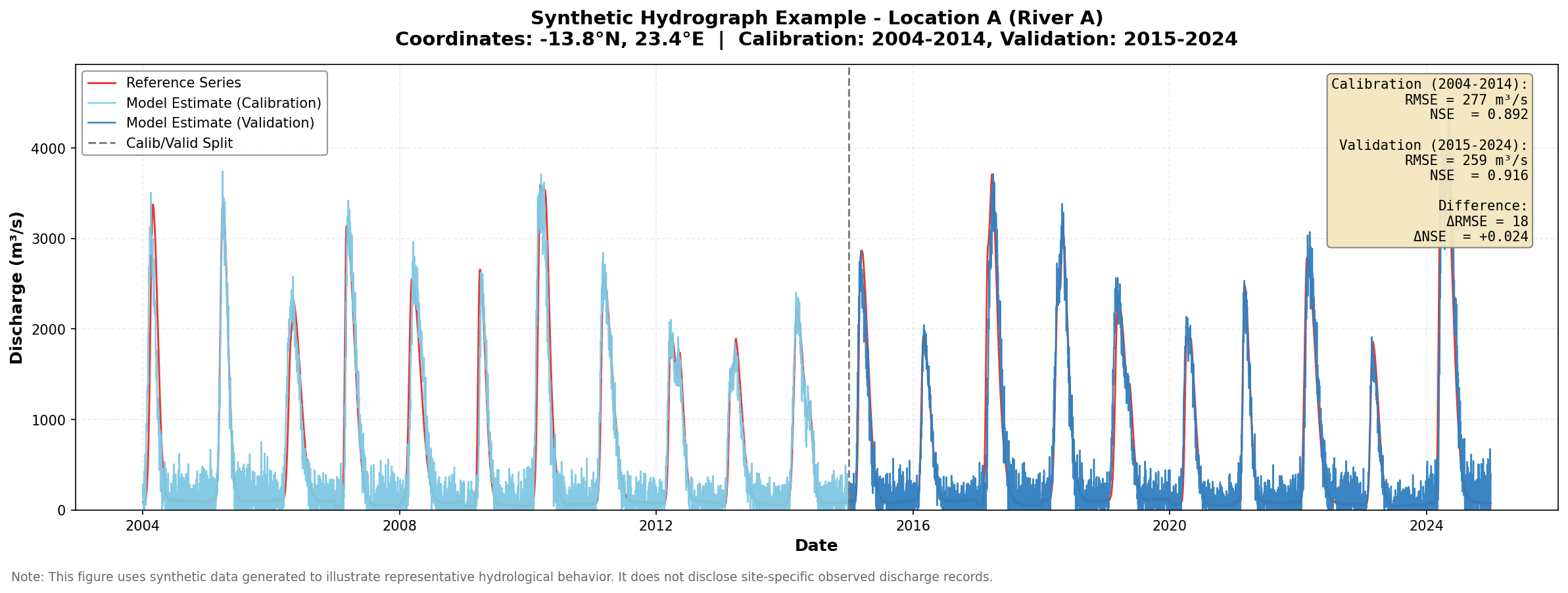
By combining these three data sources with our proprietary localization technology, we have confirmed that past river discharge can be estimated with reasonable accuracy even in ungauged locations (demonstrated in Zambia, Africa).
Case Study: Zambia — Demonstration of digital and space technologies for a national water resources master plan (JICA)
As part of a digital technology demonstration project for the formulation of a water resources master plan in Zambia by JICA, we conducted a joint project with ME-Lab Japan to estimate water resource data using satellite data and simulation technologies. In African basins with limited ground observation infrastructure, the effectiveness of model-based discharge estimation was confirmed.
- Location: Zambia
- Partner: ME-Lab Japan (Aqunia Water participated as a subcontractor)
- Scope: Demonstration of basin-scale water resource data estimation using satellite and simulation technologies
Expected Needs
- Government agencies / water authorities: lack sufficient water resource data and require a basis for planning and management
- Governments / municipalities: need to develop long-term water strategies under climate change
- Energy operators: require improved accuracy in flow forecasting and hydropower planning
- International development organizations / agribusinesses: need water availability data for agriculture and irrigation planning
- International development organizations: need to advance water resource projects in data-scarce developing and emerging countries
Các khu vực mục tiêu
Southeast Asia, South Asia, Central Asia, Africa, and Latin America
Tell us about your target region and challenges.
Aqunia Water is continuously advancing development and demonstration. Engagement can begin with a discussion of your specific region and challenges.