



Aqunia Water
River Discharge Intelligence for Water Resource Planning.
Aqunia Water is a solution that enables the estimation and monitoring of river discharge at basin scale by integrating satellite data, hydrological simulations, and limited ground-based observations. It supports planning in hydropower, agriculture, and industry, as well as water resource management under climate change.
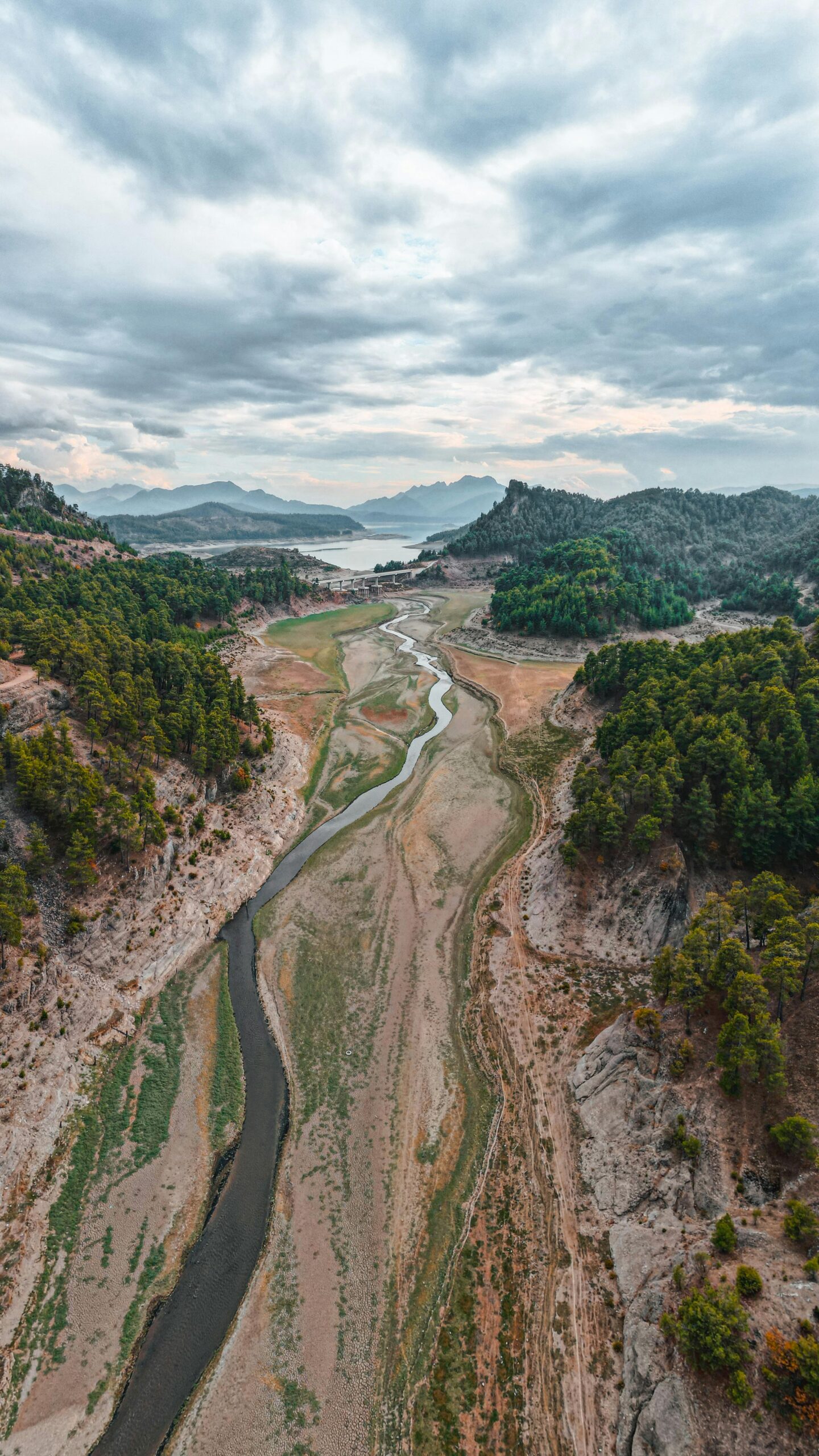
Climate change is amplifying the “imbalance” in water resources.
Water Resource Planning Without Reliable Discharge Data.
River discharge estimation through integration of satellites, models, and in-situ data
Even in regions with limited ground-based observation stations, basin-scale river discharge can be estimated and monitored by combining the following three data sources:
Satellite Data
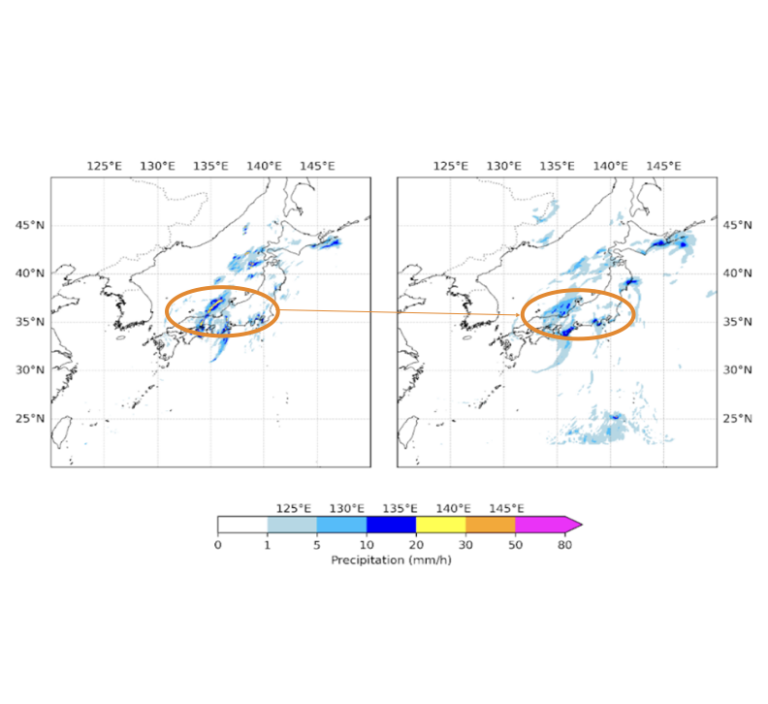
Utilizes satellite precipitation data (e.g., GSMaP) and water level data (e.g., SWOT) to estimate water level and volume changes in basins where direct observation is difficult.
Hydrological Simulation Models
Employs large-scale river simulation based on CaMa-Flood / ILS developed at the University of Tokyo, incorporating basin topography, land use, and precipitation patterns.
Integration of Limited In-situ Observation Data
Available discharge and water level observations are used for integration and calibration, improving simulation accuracy.
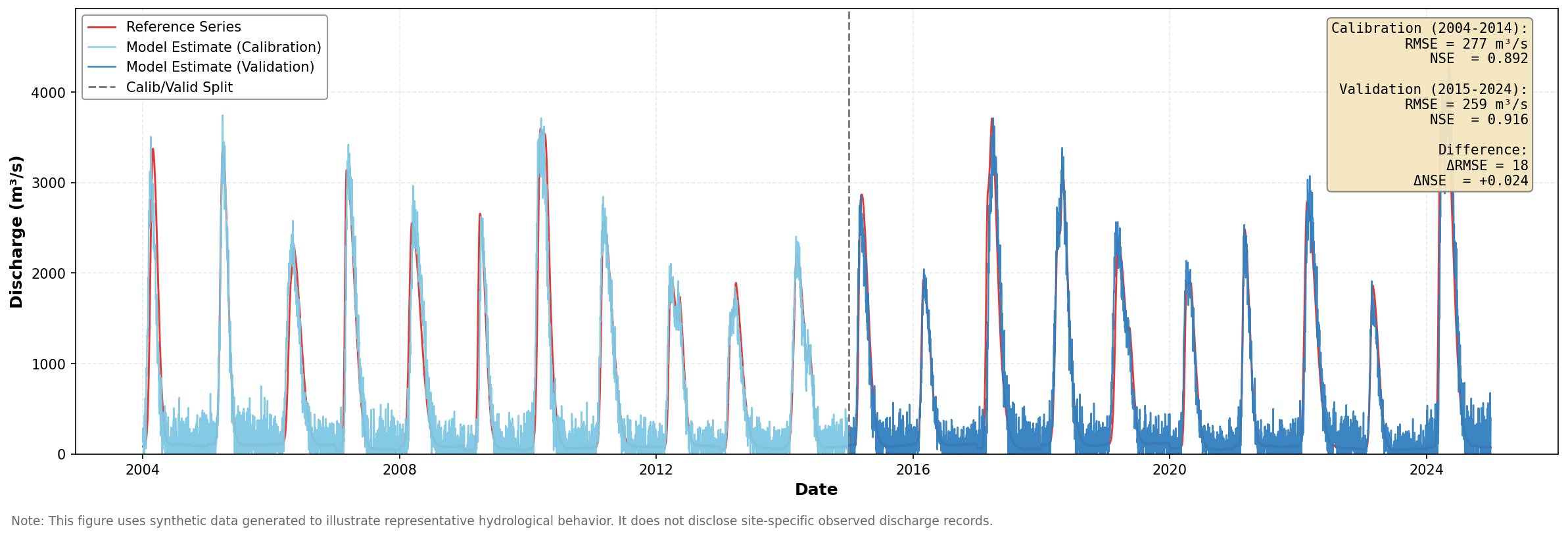
By combining these three data sources with our proprietary localization technology, we have confirmed that past river discharge can be estimated with reasonable accuracy even in ungauged locations.
Target Regions
Built for the people who plan water resources.
Hydropower
Variability in river discharge directly leads to instability in power generation. Understanding and forecasting seasonal and interannual flow variability is essential for reliable power supply planning.
Agriculture & Irrigation
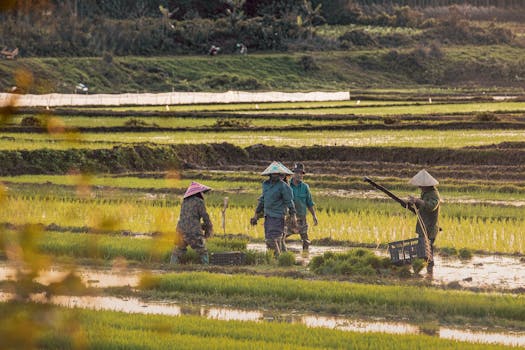
Cropping plans and irrigation schedules depend on water availability. Without predictions of flow and water levels, it is difficult to adequately prepare for drought risks and flood damage.
Industry & Urban Infrastructure
Water-dependent sectors—including manufacturing processes, cooling systems, and drinking water supply—must quantitatively assess variability risks in water resources in advance.
How we work together.
Select target region (for PoC and full operation) and identify key stakeholders. Define data environment, operational requirements, and success criteria. Execute MoU agreements where applicable.
Show global standard prediction results using globally available data. Verify forecast accuracy against historical flood events. Evaluate technical and operational applicability with your team.
Further model localization using local observation data. Physical model calibration and integration with existing operational systems or SaaS deployment and user account setup.
Service launch, user training, and handover to full operational use. Continuous model updates utilizing latest observational results and expanding coverage as needed.
Digital Technologies Demonstration for Water Resources Master Plan
Share Your interest
The right approach varies significantly depending on your organization type, target regions, data environment, and project stage.
Even if you are unsure your interest is related to our solution, we encourage you to reach out to us.